Easy School Year Home Org: Plan & Ideas
Plan for your school year and reclaim your sanity from the pre-semester chaos! Does your entryway feel like a whirlwind of backpacks, forgotten permission slips, and stray shoes? You know the feeling – that frantic search for a pencil case the night before school starts, or the mountain of paperwork that seems to sprout overnight.
Imagine instead a calm, organized entryway where everything has its place. Picture a command center where homework assignments are tracked, school supplies are neatly stowed, and those crucial notes from the teacher are immediately visible. This isn’t a distant dream; with a few simple strategies, you can create this haven in just a weekend, at a surprisingly affordable cost of around $50-$100 for essential organizers.
In this article, I’ll walk you through how to set up a functional system that makes back-to-school mornings a breeze. We’ll cover creating designated zones, smart storage solutions, and easy-to-maintain routines so you can enjoy a more peaceful and productive school year for everyone.
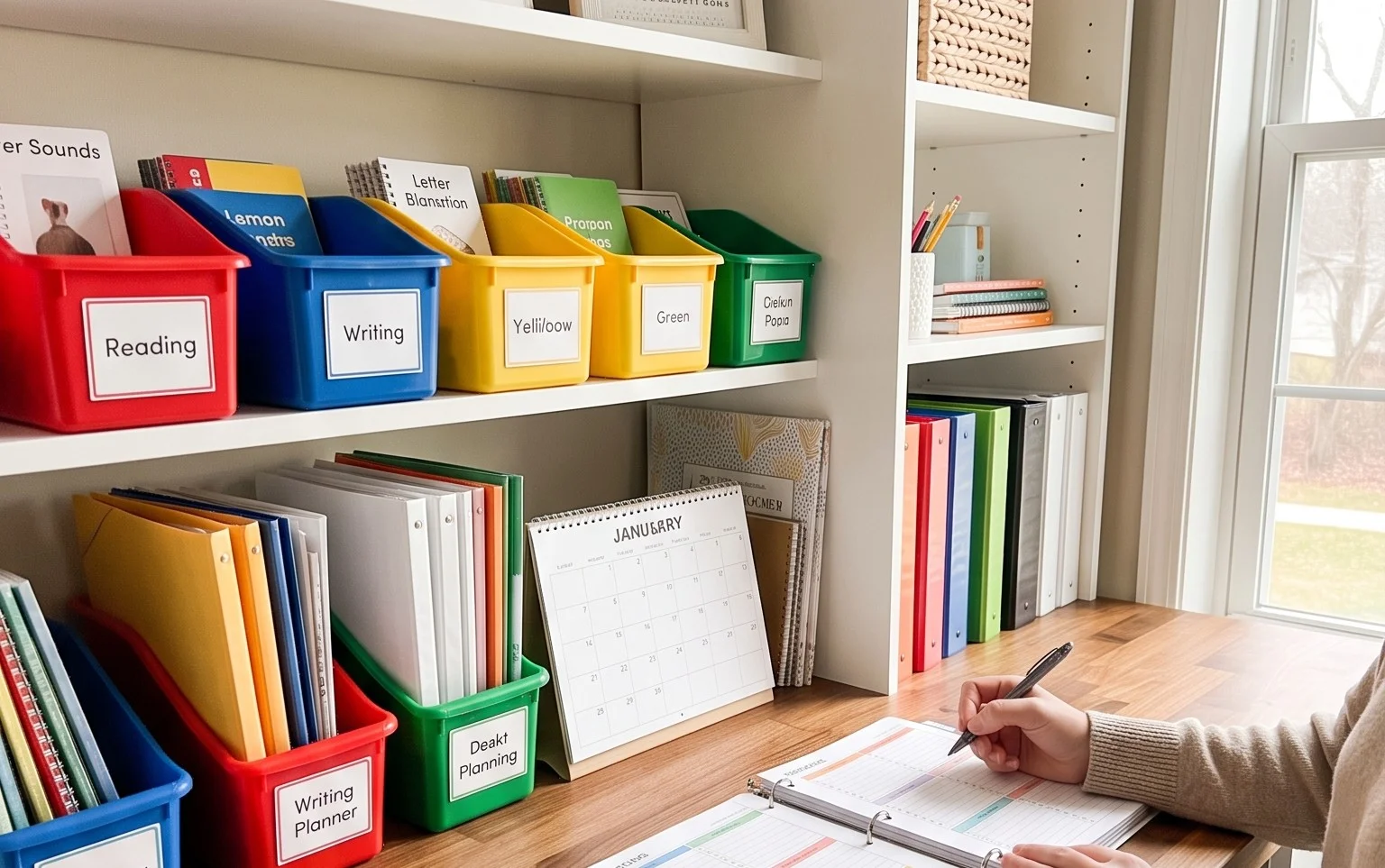
Conquer the Chaos: Your Step-by-Step Guide to a School-Year Ready Home Organization Plan
As the golden hues of summer begin to fade, a familiar sense of anticipation (and perhaps a little dread) creeps in. The school year is fast approaching, and with it comes a tidal wave of textbooks, notebooks, art supplies, and a general uptick in household activity. This year, let’s not just survive the back-to-school rush; let’s thrive! A well-planned and organized home can transform stress into smooth sailing, allowing you and your family to focus on learning and growing.
The ‘What You Need’ Breakdown: Budgeting for Success
Before we dive into the nitty-gritty of organizing, let’s talk about equipping ourselves. This isn’t about buying everything new; it’s about smart investment in tools that will make a difference.
For general organization, think:
* Storage bins and baskets: These are your best friends. A set of 5-10 medium-sized (approx. 12x10x8 inches) fabric or plastic bins can range from $30-$60 depending on the material and brand.
* Drawer dividers: Essential for keeping smaller items contained. A pack of adjustable dividers can cost between $15-$30.
* Shelving units: Freestanding shelves are incredibly versatile. A basic 3-shelf unit might set you back $40-$80.
* Wall-mounted organizers (if drilling is an option): Pegboards (approx. $20-$40 for a standard size) or wall shelves (starting at $15 each) offer vertical storage.
* Command hooks and strips: Your rental-friendly drilling alternative. A pack of various sizes can cost $10-$25.
* Label maker or labels: Crucial for clarity. A basic label maker might be $30-$50, or you can opt for sticker labels for $5-$10.
For the dedicated schoolwork zones, consider:
* A desk: If you don’t have one, a small writing desk can be found for $50-$150. Second-hand options are often excellent value.
* Desk organizers: Pen cups, tray sorters, and magazine holders can add up to $20-$40.
* Task lighting: A good desk lamp is crucial. Expect to spend $25-$50.
* Bulletin board or whiteboard: To keep track of schedules and important notes. A small corkboard can be $15-$30, and a magnetic whiteboard $20-$40.
**Rough Total Estimate:** Depending on your existing resources and the scale of your project, a comprehensive overhaul could range from $150 to $500. Remember to shop sales and consider pre-owned items!
Measure Twice, Buy Once: The Power of Planning
Impulse buys are the enemy of effective organization. Before you even think about purchasing a single bin, grab your tape measure and a notebook.
Measuring Your Space
1. **Identify Key Zones:** Where will homework happen? Where will backpacks and shoes live? Where are school supplies stored? Designate these areas. For example, a corner of the living room for a homework station, a mudroom or entryway for gear, and a dedicated cupboard or set of drawers for supplies.
2. **Measure Everything:** For each zone, measure the available width, depth, and height. Pay attention to existing furniture, windows, doors, and any other architectural features that might impact storage. For example, if you’re setting up a desk area, measure the wall space where the desk will go, the height you’d like your shelves, and the depth of any existing shelves.
3. **Consider Your Needs:** How many children are you organizing for? What are their ages and specific needs (e.g., art supplies for a budding artist, extra textbooks for a high schooler)? This will dictate the quantity and type of storage you require. For instance, if you have two children needing a dedicated homework space, you’ll need to measure two distinct areas or a shared larger space that can be divided.
Creating Your Plan
* **Sketch it Out:** Draw a simple floor plan of your home or the specific rooms you’re organizing. Mark your key zones and their dimensions.
* **Inventory Your Supplies:** Go through existing school supplies, art materials, and other relevant items. Make a list of what you have and what you’ll need to replenish.
* **Visualize Storage:** Based on your measurements and inventory, start visualizing what kind of storage solutions will fit. This is where you’ll determine if a tall shelving unit is better than multiple smaller bins, or if drawer dividers are essential for a particular cabinet. For instance, if a cupboard is 3 feet wide, 2 feet deep, and 6 feet tall, you can plan for shelves and bins that fit within those dimensions.
* **Create a Shopping List:** Armed with your measurements and plan, create a precise shopping list. This will prevent overspending and ensure you buy items that actually fit your space and needs.
The Step-by-Step Walkthrough: From Chaos to Calm
Now, let’s get organized! This is a process, and it’s best to tackle it systematically.
1. **Declutter ruthlessly:** Before anything new enters your home, get rid of what you don’t need. For school supplies, this means tossing dried-out markers, old notebooks with only a few pages used, and broken pencils. Go through backpacks and bags to remove forgotten snacks and trash. For general home organization, declutter by category (e.g., toys, books, clothes). Aim to donate or discard at least 10-15% of what you have.
2. **Assign Zones and Containment:** Based on your planning, designate specific areas for different school-related items. This could be a “homework station” by the desk, a “gear zone” by the door, and a “supply cupboard.” Then, select the appropriate storage containers for each zone. For example, a wide, shallow bin for board games, a tall, narrow bin for sports equipment, and clear, stackable containers for art supplies.
3. **Implement Vertical Storage:** Maximize wall space! Install shelves, use wall-mounted organizers, or stack bins to utilize every inch. If drilling isn’t an option, rely on sturdy freestanding shelving units and use Command strips for lighter items like calendars or small key holders. For a renter, consider a tall bookcase with adjustable shelves that can be placed against a wall and secured with furniture straps if desired.
4. **Organize Within Containers:** Don’t just throw things into bins. Use drawer dividers, smaller boxes, or even rolled-up socks to separate items within larger containers. For instance, in a large bin designated for art supplies, use smaller containers for crayons, markers, colored pencils, and paint brushes.
5. **Label Everything:** This is non-negotiable! Clear labels ensure everyone knows where things belong, and more importantly, where to find them. Label bins, drawers, shelves, and even individual folders. Use your label maker or good old-fashioned pen and paper.
6. **Create Dedicated Zones for High-Traffic Items:** The entryway or mudroom is prime real estate for backpacks, shoes, coats, and lunchboxes. Implement hooks for bags (one per child), a shoe rack or baskets for footwear, and cubbies for hats and gloves. This prevents clutter from migrating into the rest of the house.
7. **Set Up a Homework Hub:** Whether it’s a dedicated desk or a specific corner of a table, ensure it’s equipped with everything a student needs for homework: pens, pencils, paper, rulers, a calculator, and easy access to charging ports for devices. A small task lamp is a must.
8. **Establish a Mail and Paper Management System:** School papers, permission slips, and important notices can quickly pile up. Designate a spot for incoming mail and a system for processing it. This could be a tiered tray on a counter or a wall-mounted file organizer. Make it a habit to sort through this daily.
Adapting for Small Spaces and Rentals
Living in a smaller home or a rental doesn’t mean sacrificing organization. It just requires a little more creativity!
* **Embrace Multi-Functional Furniture:** A storage ottoman can serve as extra seating and a place to stash blankets or toys. A bed frame with built-in drawers offers significant storage without taking up extra floor space.
* **Go Vertical, Always:** If you can’t drill, look for tension rod solutions that can create temporary shelves in closets or under sinks. Utilize the full height of your walls with tall, slender shelving units that can be secured to the wall with furniture straps for stability.
* **Command Hooks and Strips are Your Best Friends:** These adhesive solutions are a game-changer for renters. Use them to hang keys, small bags, lightweight decorations, or even to organize jewelry.
* **Over-the-Door Organizers:** These are fantastic for closets, bathrooms, or even behind doors in bedrooms. They can hold shoes, toiletries, school supplies, or accessories.
* **Rolling Carts:** A slim, rolling cart can be a portable workstation for homework or craft supplies, and can be tucked away when not in use.
Styling Notes: Where Function Meets Fashion
Organization doesn’t have to be boring! A well-styled space is more inviting and inspiring.
* **Color Palette:** Stick to a cohesive color palette for your storage solutions. Neutral tones like white, grey, beige, or natural wood create a calming and sophisticated look. You can then introduce pops of color with accessories or the items themselves (e.g., brightly colored folders).
* **Texture Play:** Mix textures to add visual interest. Combine smooth plastic bins with woven baskets, or use plush rugs in a homework area. This makes the space feel more inviting.
* **Strategic Placement:**
* **High-Use Items at Eye Level:** Place frequently used school supplies, like pens and notebooks, in easily accessible drawers or on the top shelves of cubbies.
* **Bulky Items on Lower Shelves:** Heavier or less frequently used items, such as textbooks for subjects not currently being studied or board games, can go on lower, sturdier shelves.
* **Decorative Touches:** Incorporate a small plant, framed artwork, or a decorative tray on top of shelves or a desk to make the space feel more personalized and less like a sterile storage unit.
* **Group Like Items:** Keep all writing utensils together, all binders together, and all art supplies together. This makes finding what you need incredibly efficient.
Keeping it Tidy After Week One: Habits are Key
The initial organization is only half the battle. Maintaining it requires building good habits.
* **The Daily “Tidy Up”:** Dedicate 5-10 minutes each evening to a quick sweep of the key zones. Put away stray items, clear desks, and hang up backpacks. This prevents small messes from becoming overwhelming.
* **”One In, One Out” Rule:** For new school supplies or items, encourage the “one in, one out” rule. When a new set of pencils is purchased, an old, worn-out set is discarded.
* **Weekly Review and Refill:** Set aside 15-20 minutes each weekend to quickly assess your organized spaces. Replenish supplies, tidy drawers, and address any emerging clutter hot spots.
* **Involve the Kids:** Teach your children the systems you’ve put in place and empower them to be responsible for their own organization. Make tidying up a family affair.
* **Regular Decluttering Sessions:** Schedule a more thorough decluttering session every 2-3 months. This is crucial for preventing accumulation and reassessing needs as the school year progresses.
The Mistakes That Make This Fail: Avoid These Pitfalls
Even with the best intentions, organization projects can go awry. Here are common mistakes to avoid:
* **Buying Too Much Too Soon:** Resist the urge to buy all the storage solutions before you’ve decluttered and planned. You might end up with unnecessary items that don’t fit your space or needs.
* **Not Measuring Accurately:** Guessing dimensions is a recipe for frustration and wasted money. Always measure.
* **Overcomplicating the System:** The best organization systems are simple and intuitive. If it’s too complex, it won’t be maintained.
* **Not Labeling:** This is a cardinal sin of organization. Labels are the silent helpers that keep everything in its place.
* **Not Involving the Family:** If the organization system is only in your head, it won’t work long-term. Ensure everyone in the household understands and participates in maintaining it.
* **Expecting Perfection Immediately:** Organization is an ongoing process, not a one-time event. There will be days when things are messier than others. The goal is progress, not perfection.
* **Ignoring Rental Restrictions:** For renters, failing to use renter-friendly solutions like Command strips or avoiding permanent fixtures will lead to costly repairs and a strained relationship with your landlord.
By taking a proactive, planned approach, you can create a home environment that supports your family’s academic success and reduces stress throughout the school year. It’s an investment of time and effort upfront that pays dividends in peace and productivity all year long. Let’s get organized!
Conclusion
As the school year approaches, remember that thoughtful home decor and organization aren’t just about aesthetics; they profoundly impact your daily routines. A calm, well-ordered space can reduce stress and boost productivity for the entire family. Don’t feel overwhelmed by a big overhaul. Your smallest first step could be as simple as clearing one kitchen counter, creating a dedicated spot for incoming mail and permission slips. This small win can set a positive tone for the entire home.
Alternative Starts:
For a different room, perhaps tackle a single drawer in the mudroom to corral stray keys and hats. If budget is a concern, even repurposing an old shoebox for art supplies can make a significant difference.
We hope these ideas inspire you to create a more functional and enjoyable home for the school year ahead. Explore our other articles for more inspiration on achieving your ideal home decor and organization!
